
By Robert Willis
It began with a small bright flash and a faint cry of pain.
Clark Waugh was hiking the North Downs, as he has done many times. Walking past the Thurnham Castle wall, a faint cry and a small, bright flash in a copse some fifty feet from the trail startled him. Running to investigate, he lost his balance and footing at the edge of the copse; tripped, fell, and landed … somewhere else. He felt the air thicken as he fell. Not visibly, but like humidity with teeth. One step was soft earth. The next, cobbled stone.
The world had … changed.
Before him sprawled a street of wooden buildings, open carts, and chaotic haggling. People in odd, mismatched, and heavy-looking clothes moved through the lightly-misted morning. There was more smoke in the air than oxygen along with the scent of dung and something roasted. A bell tolled somewhere far away.
Clark blinked. “What the hell?”
A woman shrieked. A man dropped a sack of onions. Fingers pointed.
He raised his hands in surrender, confused. “What the fuck is this?” he asked, loudly. That was a mistake.
Two large men with truncheons descended on him like wolves. They dragged him by the arms, shouting words he couldn’t understand, though their faces said enough: fear, confusion, revulsion. He was thrown into a cell of stone, its walls weeping moisture. The jail stank of mould and something worse. They’d left him his pack, but his clothes and his hiking staff were gone. He could feel his phone in its little pocket but what use was it? The guards spoke in harsh, guttural words he couldn’t understand but whose meaning was very clear. No-one seemed to understand him. No-one said anything he could understand. And everyone looked angry.
He spent the night curled in a corner on straw festered with lice. They brought him food, of a sort. A hard crust of bread and water in a chipped bowl. No words. Just stares. He spent the next day praying he had accidentally eaten a mushroom.
Time stretched thin in the dark. Days blurred. He spoke to himself at first, then to the walls. Then he stopped speaking at all.
The language came slowly. One guard, a stocky man with a crooked nose, liked to spit insults at Clark through the small, barred window in the door. Clark began repeating them to himself, mimicking the sounds. He learned wōd, which apparently meant crazy. Swiga! meant silence! And dēofol was obvious. That one came up a lot.
He tried to explain, to gesture that he wasn’t crazy, just lost. Just … lost. One night he whispered to the stone walls: “I think I fell through time. I don’t know when I am. I don’t think I’m going to get home.” He wept silently as he killed and ate a rat.
Then the priest came, flanked by the guard. Brown-robed and solemn, he spoke a fast stream of words Clark couldn’t follow. When Clark tried to answer, the priest shook his head, made the sign of the Cross, turned away, and left. The guard slammed the door, laughing and spitting at Clark.
The trial was held in a stone hall with stained glass windows and a ceiling that vanished into shadows. It was less a court and more a theatre of dread. Clark was brought in chains, barefoot and shivering, and thrown to the floor. Clerics, nobles, and soldiers filled the benches. A bishop read accusations: something, something, Devil, something, crazy, something, something, something, Devil. They kept staring at him, but he had no idea what they wanted or expected. Out of desperation, he pulled his phone out of his ragged pocket, fired it up, and quickly took a picture of the priest-judges. He held the image out for them to see; like a shield.
There was an audible gasp. Then the shouting and the beatings began, in earnest.
There were two posts in the central square. Clark was tied to one; his phone to another. A priest said some words and then threw a torch into the woodpile at Clark’s feet.
In the flames, the phone flared one last time.
It ended with a cry and a small, bright flash.

About the Author
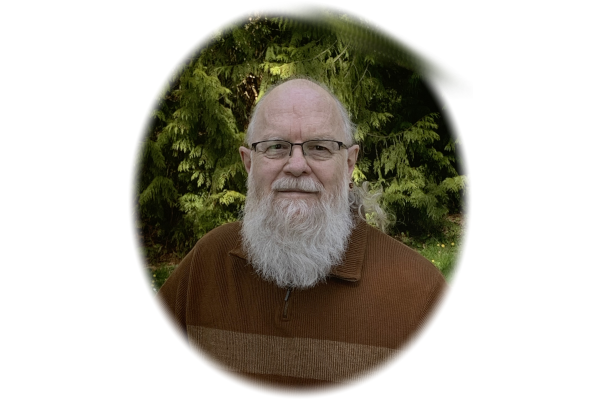
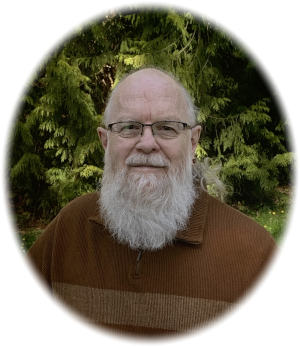 Robert Willis is an emerging author who lives with his family and cats in British Columbia, Canada, where he writes science fiction and fantasy.
His work includes short stories and poems with several longer projects underway including fantasy and urban fantasy novels and a pair of science fiction collections.
Robert’s work has been published in Grand Little Things, dadakuku, several FARK Fiction Anthologies, and Polar Borealis.
Visit Robert's website here: https://rawillis.byethost18.com


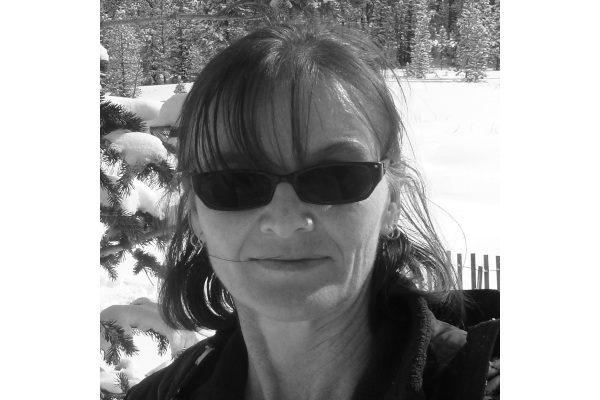
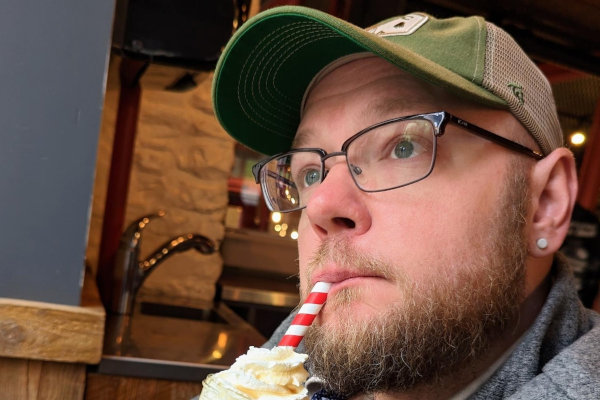
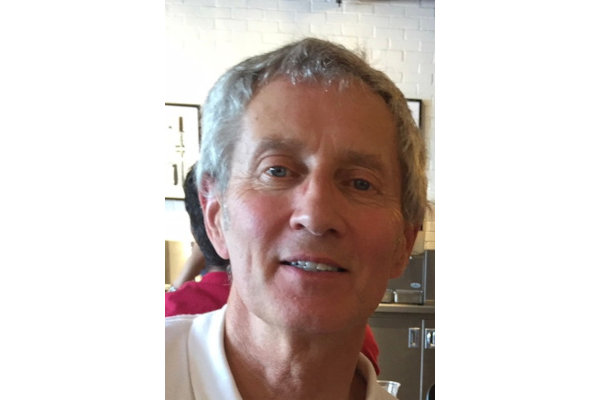




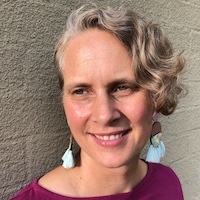 Merri Andrew writes poetry and short fiction, some of which has appeared in Cordite, Be:longing, Baby Teeth and Islet, among other places.
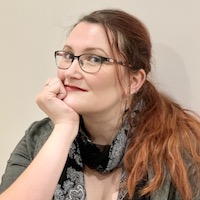 Emma Louise Gill (she/her) is a British-Australian spec fic writer and consumer of vast amounts of coffee. Brought up on a diet of English lit, she rebelled and now spends her time writing explosive space opera and other fantastical things in
 Ed lives with his wife plus a magical assortment of native animals in tropical North Queensland.
 Brian Biswas lives in Chapel Hill, North Carolina, USA.
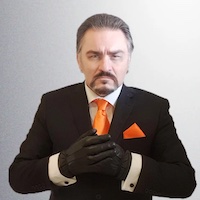
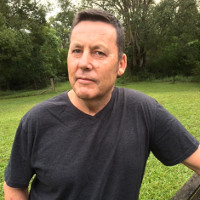 Tim Borella is an Australian author, mainly of short speculative fiction published in anthologies, online and in podcasts.
 Tom Wrosch is a retired policy analyst with the State of Oregon, and resides with his wife in Salem.
 Mark is an astrophysicist and space scientist who worked on the Cassini/Huygens mission to Saturn. Following this he worked in computer consultancy, engineering, and high energy research (with a stint at the JET Fusion Torus).
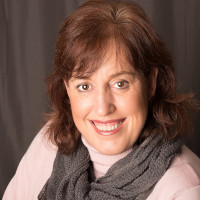 Geraldine Borella writes fiction for children, young adults and adults. Her work has been published by Deadset Press, IFWG Publishing, Wombat Books/Rhiza Edge, AHWA/Midnight Echo, Antipodean SF, Shacklebound Books, Black Ink Fiction, Paramour Ink Fiction, House of Loki and Raven & Drake
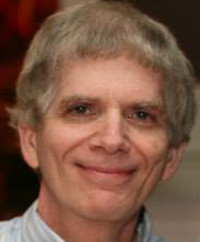 Barry Yedvobnick is a recently retired Biology Professor. He performed molecular biology and genetic research, and taught, at Emory University in Atlanta for 34 years. He is new to fiction writing, and enjoys taking real science a step or two beyond its known boundaries in his
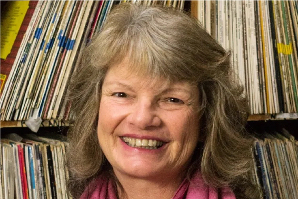 My time at Nambucca Valley Community Radio began back in 2016 after moving into the area from Sydney.
 James Walton was a librarian, a farm labourer, and mostly a public sector union official.
 Sarah Jane Justice is an Adelaide-based fiction writer, poet, musician and spoken word artist.
 Alistair Lloyd is a Melbourne based writer and narrator who has been consuming good quality science fiction and fantasy most of his life.