
By L Christopher Hennessy
The Spire was a vertical city — sixty floors of steel, neon, and blood. Each level was ruled by a different mob, cartel, or syndicate. The higher you lived, the deeper your pockets and the colder your soul. At the top sat the Vanta Syndicate, untouchable, mythic. At the bottom, where the air tasted like rust and the lights flickered like dying stars, lived a kid named Ash.
Ash wasn’t his real name. His real name was buried with his mother in a forgotten alley behind Floor 3. He’d been twelve when the Spire swallowed her. Now he was twenty, and he had a plan.
Not a dream. Not a hope.
A plan.
Ash worked as a runner for the Cortex Cartel on Floor 7. They dealt in neurohacks — illegal brainware that could rewrite memories, implant skills, or erase guilt. He kept his head down, delivered packages, smiled when told, and listened when no one thought he was listening.
What no one knew was that Ash had built something. A code. A virus. A whisper in the machine.
He called it Skullcode.
It didn’t crash systems. It didn’t steal credits. It rewrote loyalty. Injected doubt. Made lieutenants question their bosses, made bosses forget their passwords, made enforcers hesitate before pulling the trigger.
It was subtle. Elegant. And it was spreading.
Ash started with the Cortex Cartel. He seeded Skullcode into their neural routers, watched as paranoia bloomed. The boss, a chrome-faced sadist named Luma Vex, began accusing her own lieutenants of betrayal. Within weeks, she was found dead in her cryotank, her own security system having mistaken her for an intruder.
Ash moved up.
Floor 12: The Chrome Fangs. They ran cybernetic enhancements and underground fight clubs. Skullcode made their fighters forget which side they were on. The final match ended in a bloodbath. No winners. Just meat.
Floor 18: The Velvet Circuit. Glamorous, cruel, dealers of pleasure and pain. Skullcode turned their clientele into prophets of doom. Their reputation collapsed under a wave of hallucinated conspiracies.
Ash didn’t take credit. He didn’t need to. He just moved in after the dust settled, took control of the infrastructure, and left a symbol behind: a stylized skull with a glowing eye. The mark of Skullcode.
By the time Ash reached Floor 30, whispers had begun. They called him “the boy with no pulse.” Said he could walk through firewalls. Said he was a ghost, a myth, a glitch in the system.
He liked that.
But myths don’t survive long in the Spire. Not without teeth.
So Ash recruited.
Not soldiers. Not hackers.
Ghosts.
People the Spire had chewed up and spat out. A blind sniper from Floor 5 who could hear heartbeats through concrete. A mute chemist from Floor 14 who brewed loyalty serums. A disgraced AI priest from Floor 22 who believed Skullcode was divine.
They didn’t want money. They wanted revenge. Ash gave them purpose.
Floor 40 was ruled by the Data Saints, a cult that worshipped algorithms. They saw Skullcode as heresy. They tried to purge it.
Ash let them.
Then he released Version 2.
It didn’t just rewrite loyalty. It rewrote belief.
The Data Saints began preaching Skullcode as the new gospel. Their sermons turned into recruitment drives. Their temples became command centers.
Ash didn’t smile often. But that day, he did.
Floor 60. The top. The Vanta Syndicate.
No one knew who led them. Rumours said it was a hive-mind of cloned CEOs. Others said it was a sentient algorithm born from a failed military experiment. Whatever it was, it didn’t bleed. It didn’t sleep. And it didn’t tolerate ambition.
Ash knew Skullcode wouldn’t work on them. They were too insulated, too paranoid, too… perfect.
So he changed tactics.
He sent a message.
Not digital. Physical.
A box. Inside: a severed cybernetic hand, still twitching. Wrapped around it, a note: You built a tower of gods. I built a virus of ghosts. Let’s see who falls first.
The Vanta Syndicate responded with fire. Drones. Kill squads. Neural assassins.
Ash’s people died. The blind sniper was vaporised by a railgun. The chemist was poisoned by her own brew. The AI priest was hacked and turned into a screaming loop.
Ash didn’t flinch.
He released Skullcode Version 3.
It didn’t target systems. It targeted architecture.
The Spire’s elevators began misrouting. Doors opened into voids. Climate controls turned floors into ice chambers or ovens. Communications scrambled. Lights flickered in Morse code, spelling one word: Ash.
Ash climbed the Spire manually. Floor by floor. Through chaos and ruin. He wore a coat made of stolen tech, a mask shaped like his symbol, and boots that left glowing footprints.
By the time he reached Floor 60, the Vanta Syndicate was waiting. Not in flesh. In code.
They spoke through screens. Voices layered and distorted.
“You are anomaly. You are error. You will be deleted.”
Ash smiled, “I’m not an error. I’m evolution.”
He plugged in a device. A shard of Skullcode, refined, weaponised. The screens went black. Then white. Then silent.
Ash didn’t destroy the Vanta Syndicate. He absorbed it. Skullcode became the operating system of the Spire. Every floor synced. Every mob reprogrammed. Violence became ritual. Loyalty became algorithmic.
Ash didn’t rule like a king. He ruled like a virus. Invisible. Inevitable.
They say he still walks the Spire. Not as a man. As a presence. A whisper in the wires. A skull in the code.

About the Author
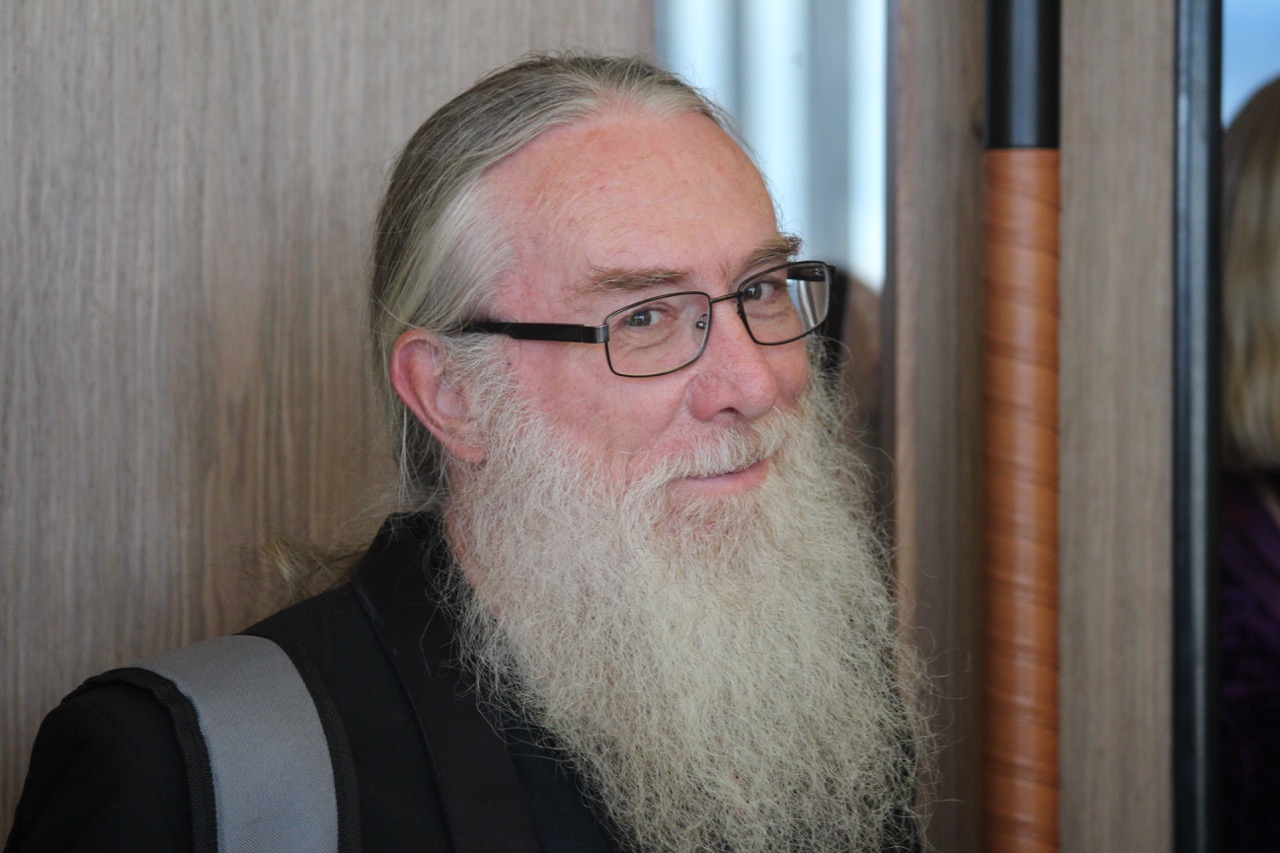
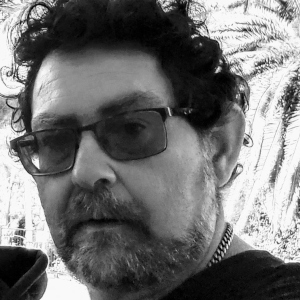 Luke Christopher Hennessy lives in Coffs Harbour NSW, Australia.
He has been writing stories and poetry since he was a child and has been published in anthologies and online since the 1990s.


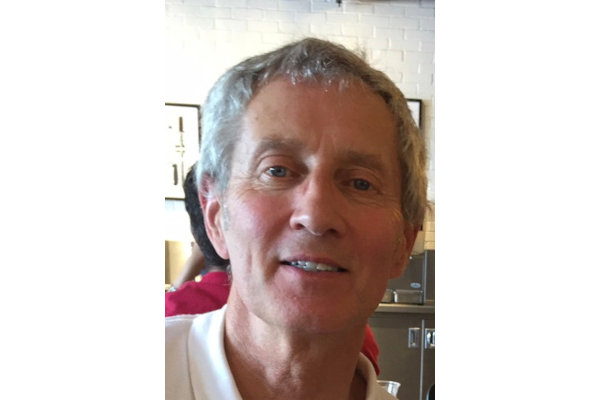
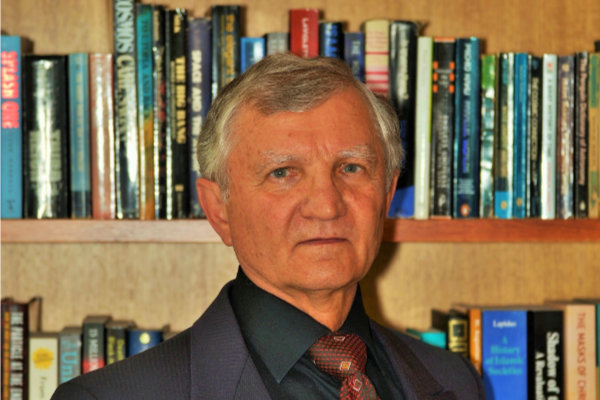


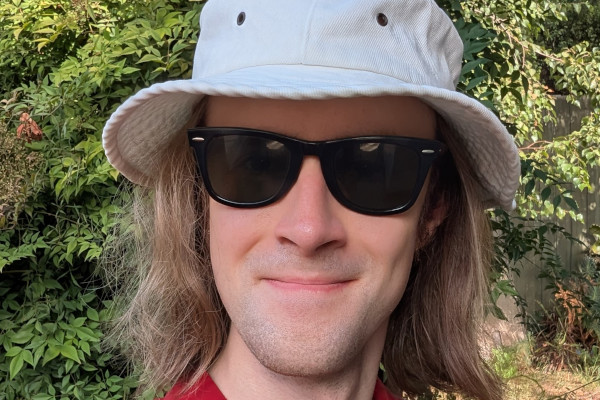

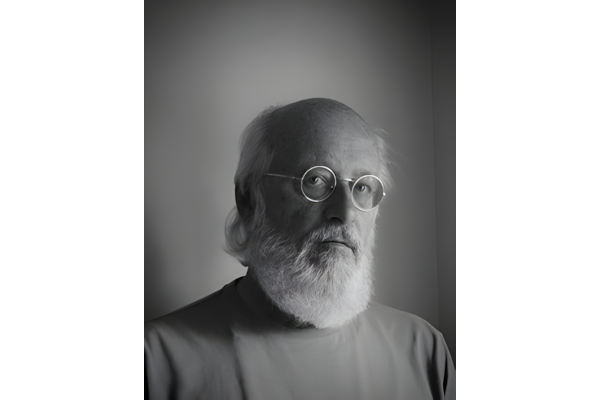
 Geraldine Borella writes fiction for children, young adults and adults. Her work has been published by Deadset Press, IFWG Publishing, Wombat Books/Rhiza Edge, AHWA/Midnight Echo, Antipodean SF, Shacklebound Books, Black Ink Fiction, Paramour Ink Fiction, House of Loki and Raven & Drake
 Mark is an astrophysicist and space scientist who worked on the Cassini/Huygens mission to Saturn. Following this he worked in computer consultancy, engineering, and high energy research (with a stint at the JET Fusion Torus).
 Merri Andrew writes poetry and short fiction, some of which has appeared in Cordite, Be:longing, Baby Teeth and Islet, among other places.
 Tara Campbell is an award-winning writer, teacher, Kimbilio Fellow, fiction co-editor at Barrelhouse, and graduate of American University's MFA in Creative Writing.
 Alistair Lloyd is a Melbourne based writer and narrator who has been consuming good quality science fiction and fantasy most of his life.
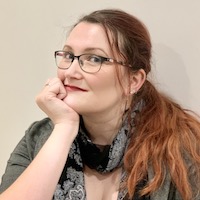 Emma Louise Gill (she/her) is a British-Australian spec fic writer and consumer of vast amounts of coffee. Brought up on a diet of English lit, she rebelled and now spends her time writing explosive space opera and other fantastical things in
 Brian Biswas lives in Chapel Hill, North Carolina, USA.
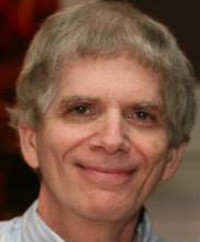 Barry Yedvobnick is a recently retired Biology Professor. He performed molecular biology and genetic research, and taught, at Emory University in Atlanta for 34 years. He is new to fiction writing, and enjoys taking real science a step or two beyond its known boundaries in his
 Tom Wrosch is a retired policy analyst with the State of Oregon, and resides with his wife in Salem.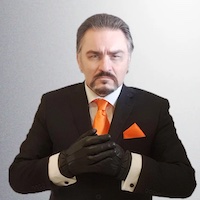
 Ed lives with his wife plus a magical assortment of native animals in tropical North Queensland.
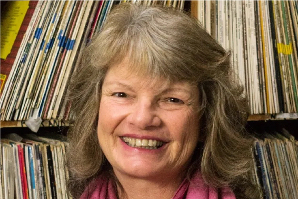 My time at Nambucca Valley Community Radio began back in 2016 after moving into the area from Sydney.
 Sarah Jane Justice is an Adelaide-based fiction writer, poet, musician and spoken word artist.